
 Pose Method Publishing, Inc
Et Cetera: 5 Things You Should Know About the Running Pose
Every single person goes through the Running Pose when they go running, but not everybody is Pose Running. What’s the difference? Read on.
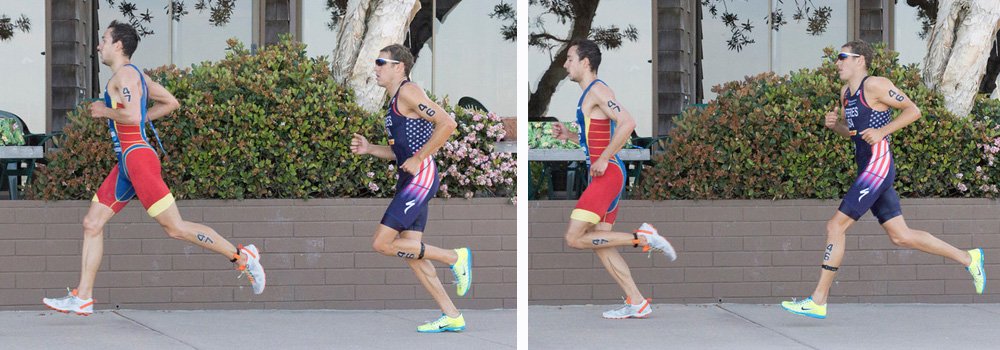
- There is only one (1) Running Pose. The Running Pose that you go through is identical to the Running Pose of the runner next to you at the local race, as well as an elite runner at the championship or Olympics. The Running Pose is the key pose that is the heart of the running cycle. It is a single instance of a moment of stability on support that allows continuous movement when running.
- The Running Pose is not the same as Pose Running. The Running Pose, which is the key body pose in running, is at the heart of Pose Running, which is short for the Pose Method® of running technique – the methodology for teaching and learning biomechanically correct running technique.
- The Running Pose is a discovery, but the Pose Method® of Running – is a proprietary technology that was developed. After years of coaching and teaching biomechanics at the university, researching and viewing hundreds of hours of footage of some of the best runners in the world, as well as recreational ones, Dr. Romanov discovered that all runners have one thing in common regardless of the skill level or distance – they all go through the Running Pose.In order to teach runners of all levels to eliminate the unnecessary elements of running that also cause injuries (like heel striking for example), Dr. Romanov developed a method – the Pose Method of Running
- Every single person who runs goes through the Running Pose, but not everybody is Pose Running. As mentioned above, everyone who runs goes through the Running Pose. However, not everyone runs using the Pose Method of Running. Since every single runner goes through the Running Pose, it is easy to take a single photo of a heel striker that happens to be photographed as he/she was going through the Running Pose.That is why video analysis is essential. The video reveals what happens before and after the runner goes through the Running Pose. And that is what makes all the difference. Some runners go from Running Pose to Running Pose, that is what the Pose Method of Running essentially teaches, and others land on the heel or flatfooted, roll through, then attempt to toe off as they also attempt to produce full knee extension thinking they are propelling themselves somewhere as they waste precious seconds and significant effort on completely unnecessary commotion all the while increasing the potential of injuries.
- To become a better runner all you have to do is eliminate the unnecessary movement between the Running Poses. As a runner, you already go through the Running Pose, so simply do less and not more, go from the Running Pose to the Running Pose. Isn’t it amazing that to run better, to reduce eccentric load on your knees by virtually 50% you are advised to do less?
About the Author
Lana Romanov wears 10 hats and having studied and worked alongside Dr. Nicholas Romanov for a few decades, she also writes short articles and assists with research efforts.
If you have questions, you can find her daily on the Running Forum.
CONTINUING EDUCATION FOR HEALTH + FITNESS PROFESSIONALS
Pose Method® of Running: A Master Course on Running is approved for 20 contact hours towards continuing education for Certified CrossFit Trainers, Board Certified Athletic Trainers and Physical Therapists.
 Pose Method Publishing, Inc
Leave a Reply
Want to join the discussion?Feel free to contribute!